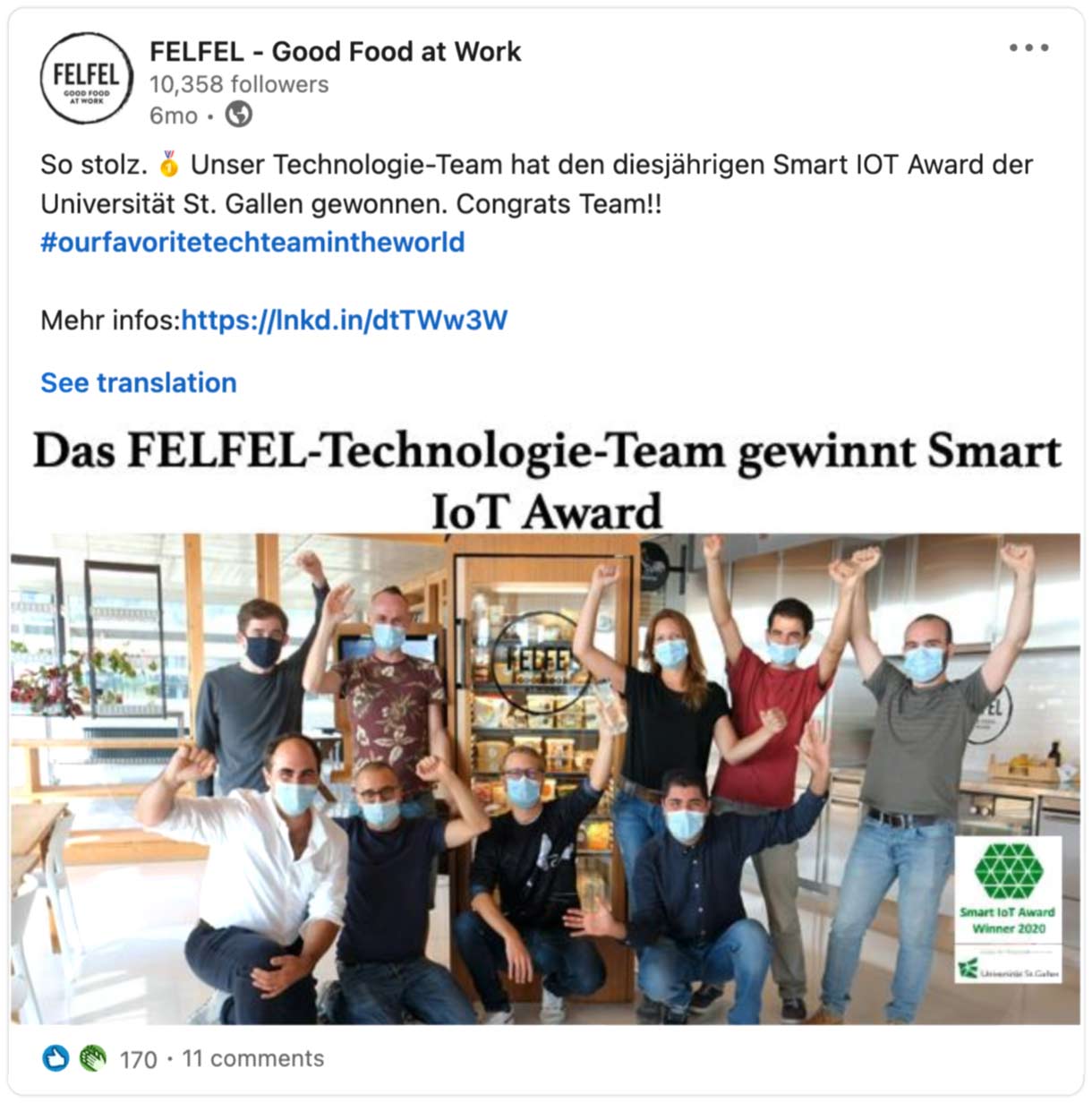
January 2020, right before the pandemic hit, I started working at FELFEL; A food company with smart fridges! This has been a new opportunity to apply my knowledge in an (apparently!) entirely different field. Hired as a frontend developer, I've worked mainly with ReactJs and pushed the idea of a web-first approach. However, because of my background in robotic, design, and application development as a whole, I contributed to various aspects of our stack.
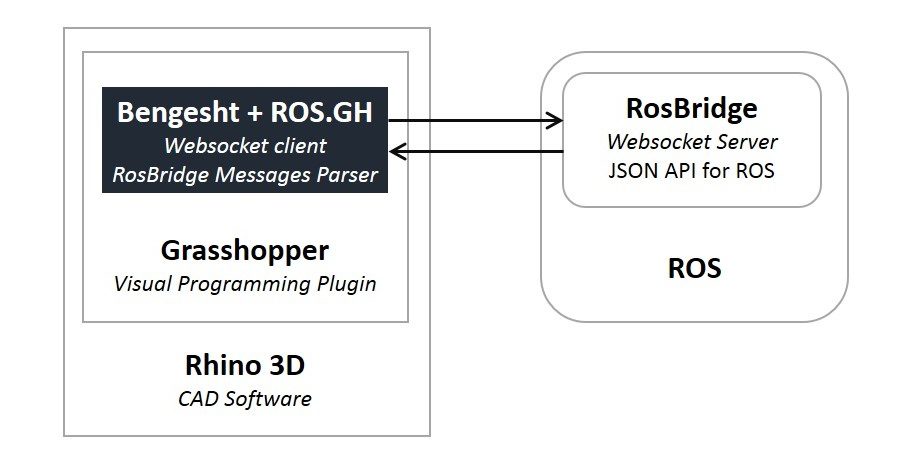
Last Wednesday, I presented Bengesht and ROS.GH as a communication mechanism between Grasshopper and ROS in 4th Robotics and ROS Meetup at ANYbotics AG, Zurich. Websocket components of Bengesht establish a bi-directional connection with RosBridge node and ROS.GH components can parse the exchanged JSON messages.
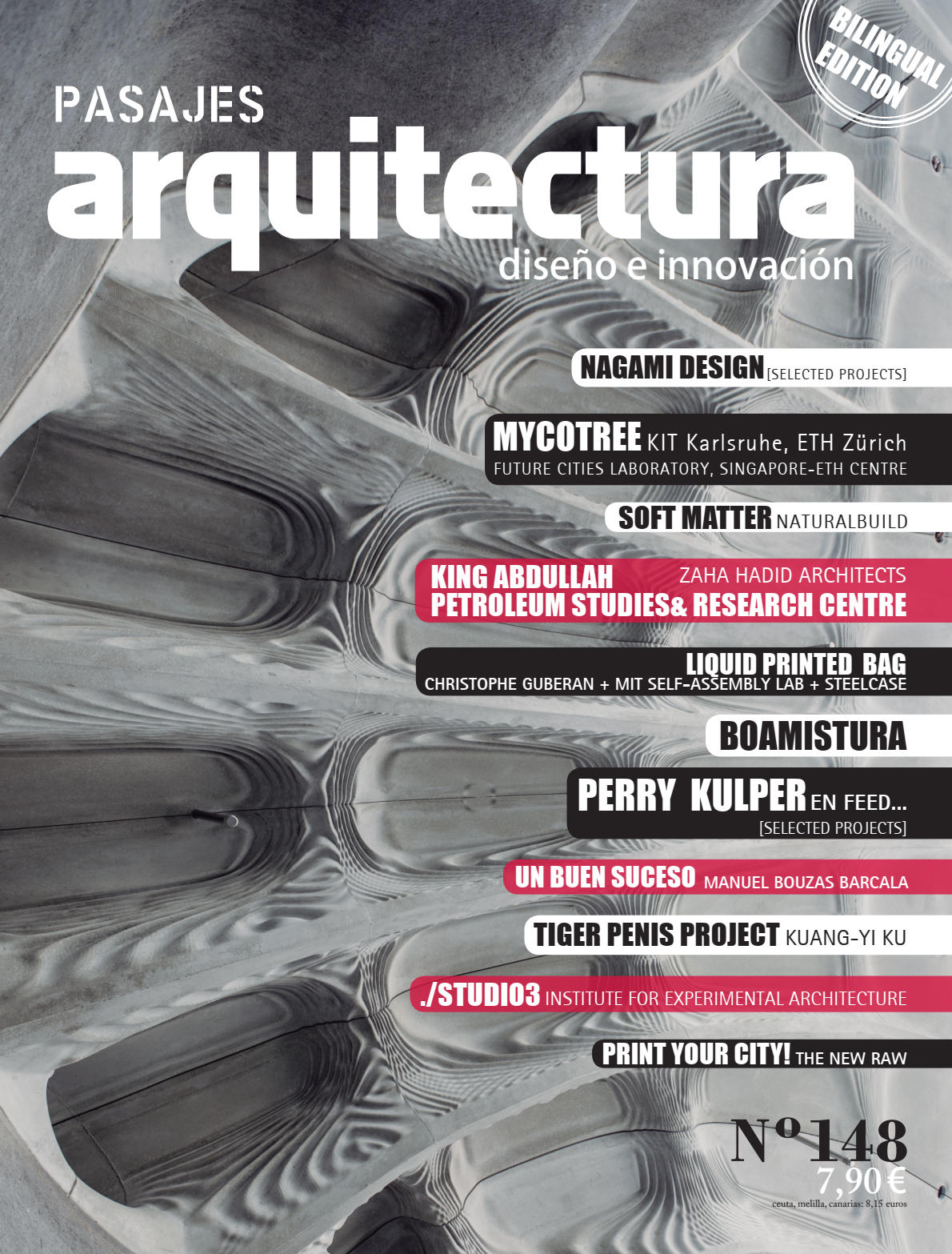
Pasajes Arquitectura has featured Cyber-Physical Macro Matter in their 148th issue! This article in the Madrid-based magazine is the latest publication (after Archdaily, Detail magazine, …) that covers our project. Same as before, the release of this article is thanks to researchers at the Institute for Computational Design and Construction, University of Stuttgart [link].
Prestigious(!) Detail magazine has covered “Cyber-Physical Macro matter” in its latest printed issue (12.2018) and its website! A three pages article titled “Dynamische und Rekonfigurierbare Dachstruktur” and written by Bettina Sigmund describes our project.
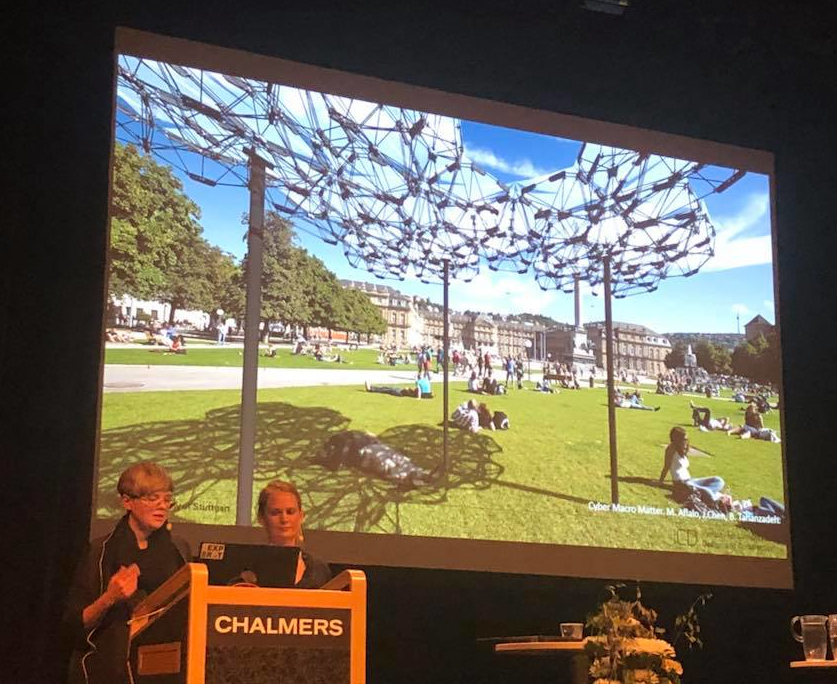
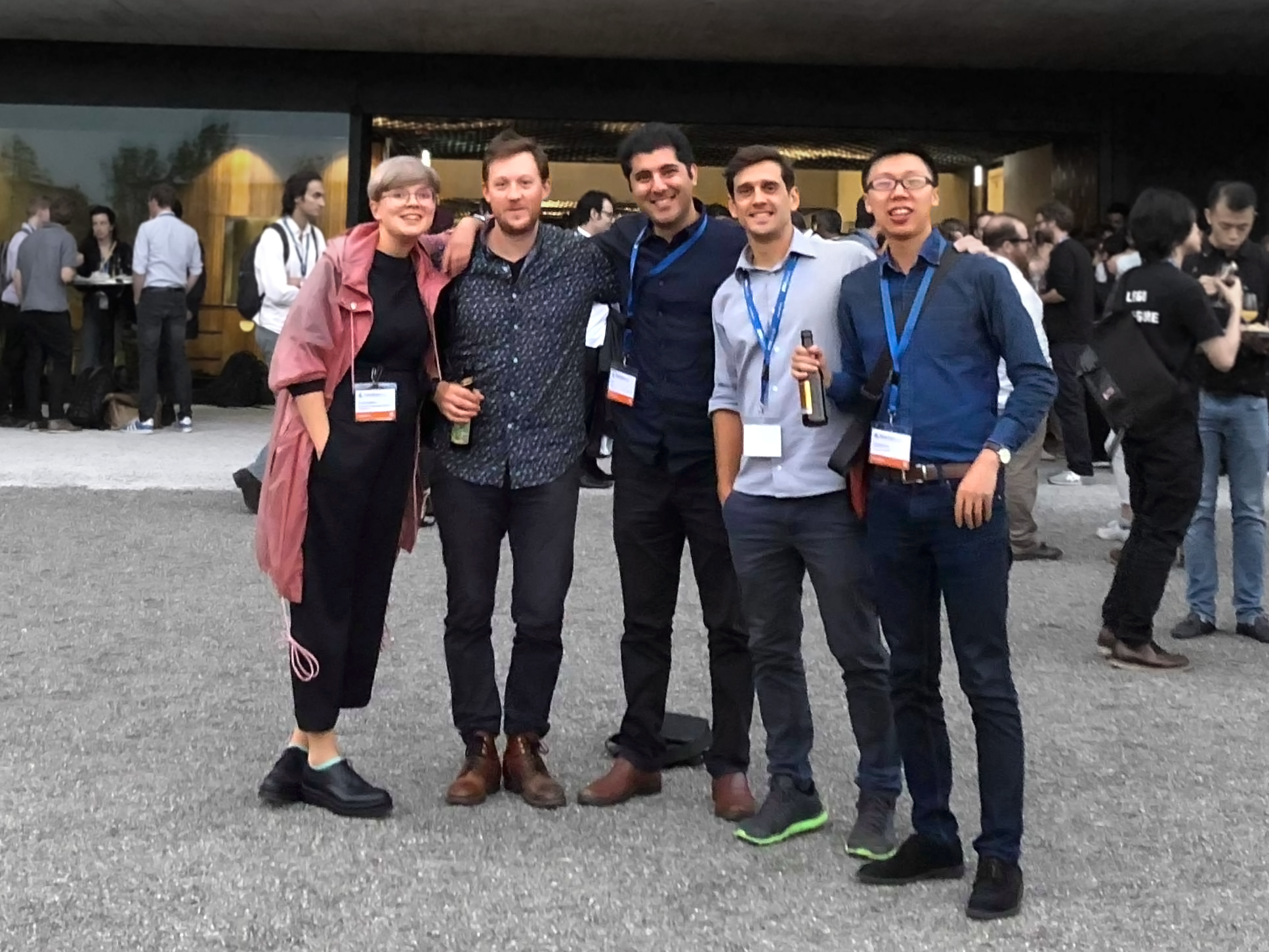
AAG 2018 was held 22-25 September, 2018 at Chalmers University of Technology in Gothenburg, Sweden.
Moreover, two of ITECH graduates, Erik Martínez and Kyriaki Goti taught a workshop, titled “Shingled Out – Collaborative Robotic Construction of Lightweight Timber Assemblies” [link] At the same venue.
I'm very proud to announce that almost one year after presenting our master thesis “Cyber Physical Macro Matter”, it has got published in a series of major events and publications and news networks including Ars Electronica, Robarch2018 Conference, Archdaily, and Designboom.
Alireza Taghaboni won first Royal Academy Dorfman Award
One of the key milestones in my career path is working under the supervision of Dr. Alireza Taghaboni (NextOffice) in Tehran, Iran. On the 4th of July, He was awarded the 1st Royal Academy Dorfman Prize for promising architects.
“On Wednesday, Iranian architect Alireza Taghaboni received the first Dorfman Award at a ceremony held at London’s Royal Academy of Arts (RA) as part of the academy’s inaugural Architecture Awards Week. Supported by the Dorfman Foundation and nominated by academy members, curators, and journalists, the Dorfman Award celebrates an international talent representing the future of architecture and aims to highlight the relationship between art and architecture”Architect Magazine
I had the chance to work at his architecture studio from 2014 to 2015, and I am proud to contribute to architectural projects such as Begh-e-Farzaneh design competition, Brazil residential apartment, and to design and development of NextOffice website and their time management system, NxHub.
Ars Electronica Innovation Forum 2018: Cyber-Physical Macro Material
On Thursday, September 6, 2018, my group-mate Miguel Alfalo and our tutors Dylan Wood and Maria Yablonina are going to present our thesis project “Cyber-Physical Macro Material” as part of the inaugural Ars Electronica Innovation Forum: Get Inspired.
The forum will kick-off the 2018 ARS Electronica Festival: Error – The Art of Imperfection. The presentation will showcase a prototype of the Cyber-Physical Macro Material project currently exhibited in the main exhibition space at the Ars Electronica Center throughout the festival.
Cyber Physical Macro Matter at Ars Electronica Center
Our thesis project has been displayed at Ars Electronica center in Linz, Austria as part of “Creative Robotic 2018” exhibition. This exhibition presents a collection of projects in which robotic systems are being used outside of the industrial realm.
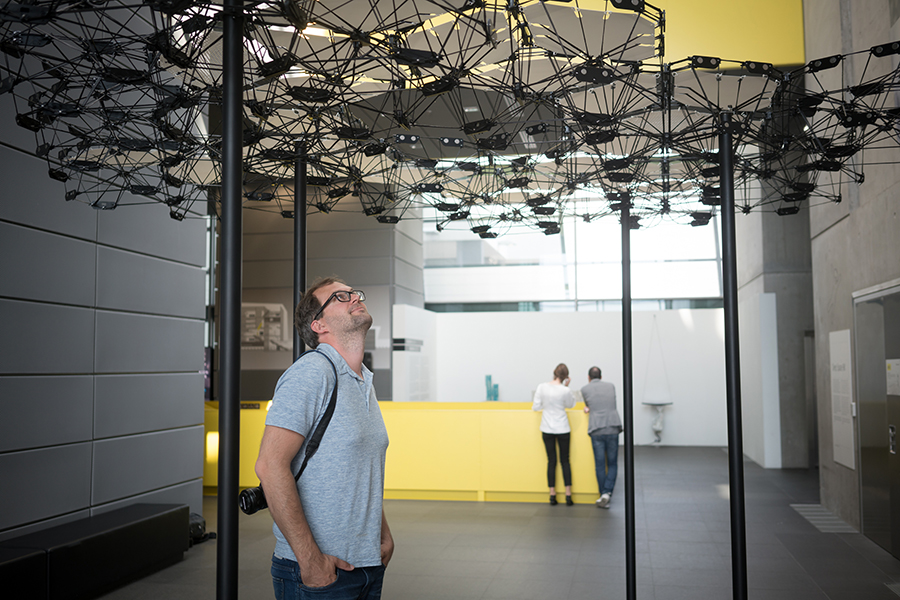
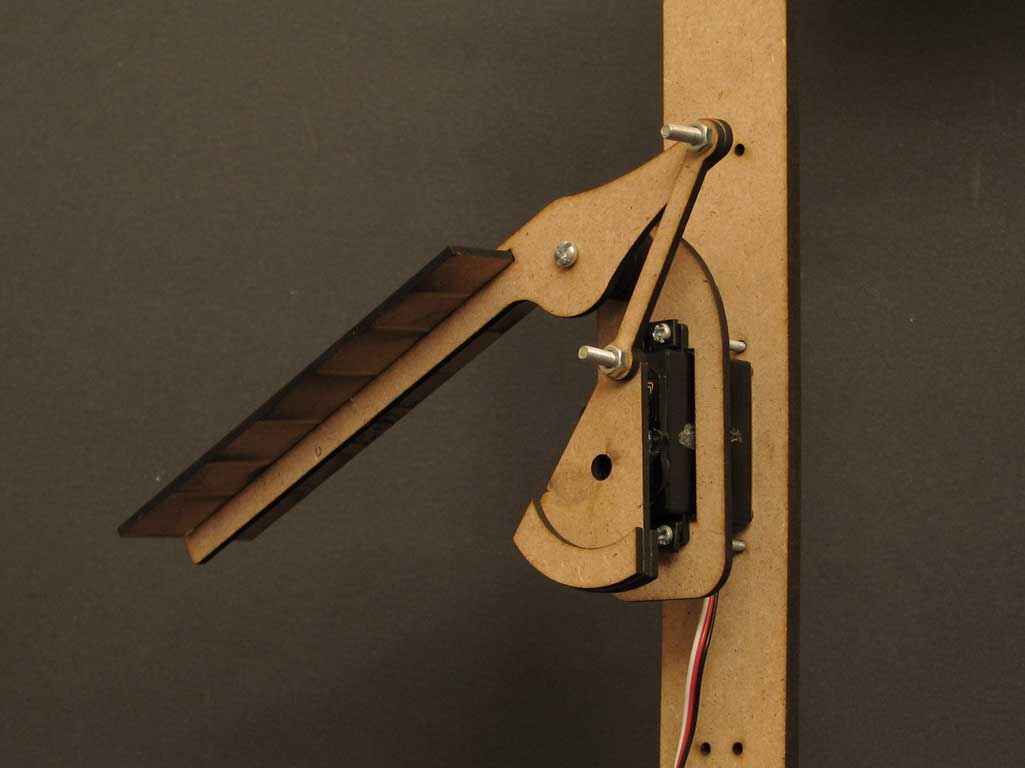
Consisted of four columns and 50 smart units, this installation shows the architectural potential of such a system in larger scale. Located in the atrium of Ars Electronica center this project catches eyes of visitors at the entrance!
ITECH M.Sc. Thesis Project
Team: Miguel Aflalo, Behrooz Tahanzadeh, Jingcheng Chen
Thesis Advisers: Dylan Wood, Maria Yablonina
Supervisor: Prof. Achim Menges (1st), Prof. Jan Knippers (2nd)
University of Stuttgart, Institute for Computational Design and Construction, ICD (Prof. Menges), Institute of Building Structures & Structural Design, ITKE (Prof. Knippers)
Combination of Arduino with a ROS based ecosystem has kept coming to my day to day projects in the last two years of my ITECH studies which pushed me to finally organize and publish SERIAL_IO package.
Recently I’ve been working on two websites (IrArc.com and NextOffice.ir) which have a common point; They rely heavily on Javascript! In both cases, they use Ajax technology to fill an HTML element with retrieved data. To debug them I had to refresh the whole page which wastes about 2s of my life every time!
AutoCad has been always the last thing that I want to deal with! But ever since I start working as an architect, I find AutoCad as a mandatory part of professional environment where all the documents should be transferred and reviewed in this software. And I said Okay!let’s face the truth and instead of complaining, make it a better place to work.
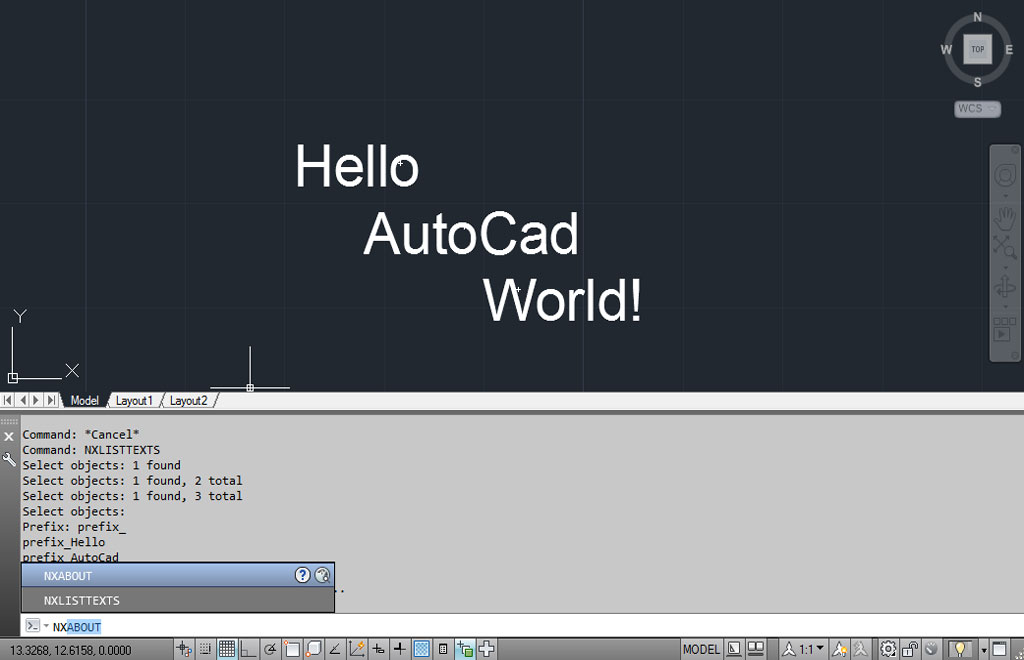
NxCad (NextOffice+ Autocad!) is a .Net library developed through Autocad managed .Net programing interface and it’s aimed to automate some tasks such as exploring text fields and creating codes based on our naming convention.
It happens sometimes that you want to transfer an AutoCAD DWG file and you have to change its version (for example downgrading to lower version number). It’s a good practice to check the version of files before sending them to the client.
As part of our faculty building renovation, it was decided to create a new information board for our scientific association. My proposal was to create a framework instead of a static one.
Think about intelligent shop’s window adapts displayed goods for passers-by and tons of artistic ideas which could become possible by using image processing technologies. Maybe it was a dream a couple of decades ago to gain a real-time effect, but nowadays by the emerge of powerful computers and gadgets such as Microsoft Kinect and Asus Xtion, it’s quite possible to use image processing as a mature technology.
To acquire a basic understanding of these technologies, this Processing code has been developed to demonstrate how moving objects could be detected by comparing two consecutive frames of a captured video.
I tested following processing code at the lobby of the architecture faculty of IUST!
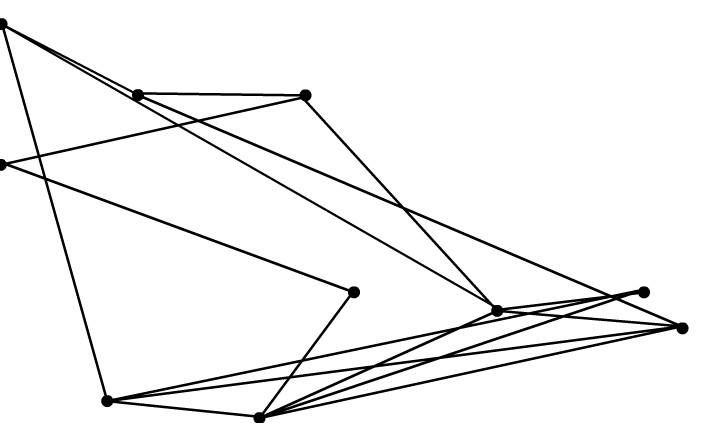
Think about “Connection” as a source of inspiration. Some times you sit at your desk and try to design some thing, but nothing comes to your mind. After spending hopeless hours of smoking and drinking, in a moment of glory you meet an irrelevant object and say “Yes! that’s it…”. Pieces of puzzles come together and suddenly design process becomes straightforward!
Connection is developed to play that irrelevant object’s role. By adding dots and lines in random order, it helps you to find out initial image of your final design.
I have developed Waves to demonstrate waving effect by transforming separate object without moving them. In this version I tested rotation which means Individual lines rotate around themselves based on their distance to collision place (where user clicked!).
I always use hoverintent plugin for jQuery in order to prevent accidental firing of a function (it can be an animation or AJAX request). hoverintent add an delay before triggering of mouseover or mouseout events. But recently I used combination of :hover pseudo class and CSS transition instead of using JavaScript mouseOver/Out event in many cases.
 Read more...